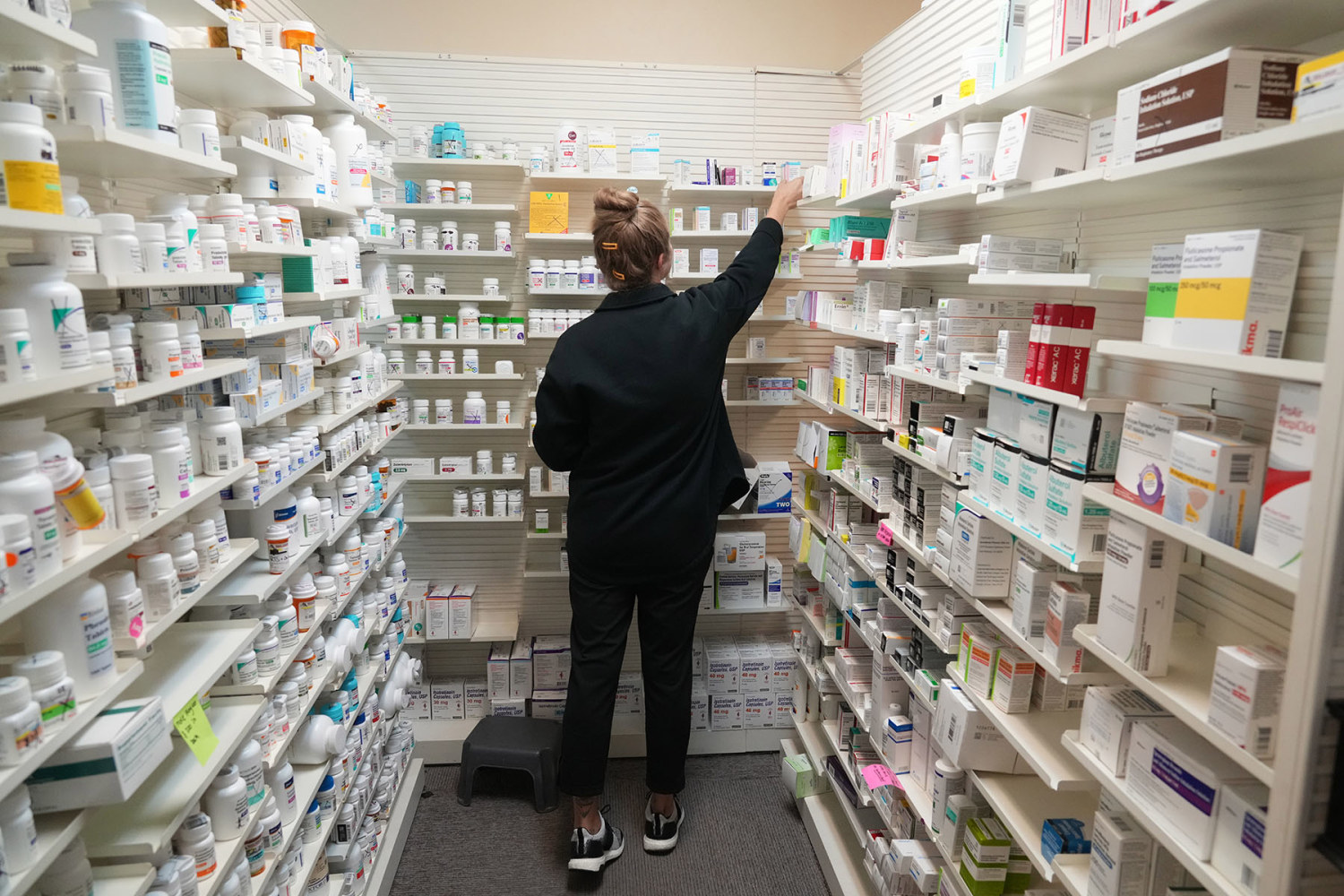
The discussion surrounding possible pharmaceutical tariffs has raised worries among patients and health specialists, as uncertainties grow regarding whether upcoming trade regulations might increase the cost of crucial medications.
The possibility of new tariffs on pharmaceuticals has ignited widespread discussion within the healthcare sector and beyond. Economic analysts, patient advocacy groups, and industry representatives are carefully evaluating how such measures could affect consumers already grappling with rising healthcare costs. While the intention behind imposing tariffs is often linked to boosting domestic production and reshaping global trade dynamics, the impact on drug pricing remains a contentious issue. If enacted, these tariffs could increase the price of certain medications, but carefully structured exemptions may provide a degree of relief for both patients and providers.
Potential consequences for drug affordability
Prescription drug prices in the United States have been a long-standing concern, with many patients struggling to afford life-saving treatments. Introducing tariffs on imported pharmaceuticals could further complicate this landscape, especially if applied broadly across categories of medications that are heavily relied upon. For individuals with chronic conditions requiring daily treatments, even a modest increase in cost could significantly affect household budgets and adherence to medical regimens.
Healthcare economists warn that tariffs may ultimately be absorbed by consumers, as pharmaceutical companies facing higher import costs would likely adjust pricing structures. Insurance providers could also shift these expenses onto patients through higher premiums or co-pays. This creates a ripple effect where not only direct medication costs rise, but overall healthcare spending becomes more burdensome for families.
However, the situation is not without nuance. Policymakers have indicated that exemptions may apply to critical medicines, generic drugs, or essential supplies where cost increases would pose disproportionate harm. Such carve-outs could mitigate some of the immediate concerns and prevent widespread disruption in access to affordable healthcare.
Regulations on trade, supply networks, and local manufacturing
One of the central arguments for introducing pharmaceutical tariffs is to reduce reliance on foreign manufacturing, particularly in regions where geopolitical tensions or supply chain disruptions have raised vulnerabilities. The COVID-19 pandemic highlighted the fragility of global supply networks, with shortages in active pharmaceutical ingredients (APIs) and delays in shipping leading to bottlenecks in medication availability.
Advocates for tariffs claim that implementing these actions might promote local manufacturing, enhancing robustness within the pharmaceutical industry and providing stronger oversight of essential medication supplies. They believe that temporary changes in prices could be a justifiable compromise for achieving lasting security and independence. According to this perspective, tariffs serve as a strategy to safeguard national interests and boost investment in domestic production facilities.
Nonetheless, some experts warn that establishing strong domestic capabilities is not an expedited process. Shifting production from foreign locations to American plants demands considerable financial input, regulatory clearances, and training of personnel, which may take several years to complete. During this period, individuals could face increased expenses without promptly experiencing the advantages of more local supply. This situation highlights the fragile equilibrium between economic planning and health results.
Exclusions and policy evaluations
Los exenciones son fundamentales para determinar el impacto final de los aranceles. Si se diseñan con cuidado, pueden proteger a los pacientes más vulnerables al tiempo que se persiguen objetivos políticos generales. Por ejemplo, excluir medicamentos esenciales para enfermedades crónicas como la diabetes, el cáncer o las enfermedades cardíacas podría evitar que millones de estadounidenses enfrenten dificultades financieras repentinas. Además, garantizar que los medicamentos genéricos estén libres de aranceles ayudaría a mantener una de las opciones más accesibles y económicas en el mercado.
Policy specialists observe that exceptions might also include medications with no viable local substitutes, acknowledging that placing tariffs on these items would not encourage competition but would rather lead to shortages. By implementing tariffs in a selective and calculated manner, it is feasible to achieve economic objectives without compromising public health priorities.
The challenge lies in defining clear guidelines for which medications and products qualify for exemptions. Transparency in this process will be critical to maintaining trust and avoiding accusations of favoritism or inefficiency. Furthermore, exemptions must be regularly reviewed and updated to reflect changes in the pharmaceutical landscape, ensuring that protections remain relevant and effective over time.
Implications for patients and the health care system
For individuals receiving medical care, the primary worry is cost. Any strategy that could lead to increased medication prices captures the interest of those who are already making tough decisions between buying their medications and handling other necessary costs. Support organizations emphasize that ensuring access should continue to be the main focus in any discussions related to trade or economic policies.
Healthcare institutions are also concerned about the implications. Increasing medication costs may result in patients being less compliant, leading to worse health results and a higher need for urgent medical services. Consequently, this adds more pressure on hospitals, medical practices, and the wider healthcare system. Should exemptions effectively mitigate the detrimental impacts of tariffs, they might help maintain care consistency and avert these compounding issues.
From a wider perspective, the discussion highlights a persistent challenge in U.S. policy: balancing self-sufficiency in the economy with the necessity of accessible healthcare. While achieving local manufacturing and minimizing dependence on external supply networks are crucial, they need to be considered alongside the moral obligation to prevent patients from being unfairly impacted by financial policies.
The conversation around pharmaceutical tariffs highlights the complex intersection of trade, healthcare, and public policy. The decisions made in this arena will not only influence drug pricing but also shape the future of pharmaceutical innovation, supply chain security, and patient well-being. As policymakers continue to refine proposals, the role of exemptions will be a central factor in determining whether tariffs act as a tool of economic resilience or a source of financial strain for millions of Americans.
The outcome will hinge on striking a balance between promoting domestic industry and protecting public health. For patients and providers alike, the hope is that policy decisions will prioritize accessibility and fairness, ensuring that any economic strategy does not come at the expense of the very people it is intended to serve.