10 Surprising Museums Around the World That Deserve More Attention
A museum does not need a famous painting or a monumental building to change how you see the world. Some of the most memorable collections focus on things people normally overlook: a lost relationship, a ventriloquist’s wooden partner, or the design of a toilet. These ten museums turn unusual subjects into revealing stories about art, science, history, and everyday life.
- Best for curious art lovers: The Museum of Jurassic Technology and the Museum of Innocence.
- Best for unexpected social history: The Museum of Broken Relationships, Vent Haven Museum, and the National Museum of Funeral History.
- Best for challenging assumptions: The Disgusting Food Museum and the Sulabh International Museum of Toilets.
1. The Museum of Jurassic Technology — Culver City, United States
Its name sounds like it belongs to a natural history institution, but this museum is harder to classify. Its intricate displays draw on scientific observation, folklore, art, and storytelling. Some exhibits may leave visitors unsure what is factual, what is speculative, and what is being presented as a carefully constructed illusion.
That uncertainty is the point. Rather than treating every museum label as unquestionable authority, visitors are invited to examine how exhibitions create a sense of truth. Go slowly: the small details and the questions they raise are more important than seeing everything at speed.
2. The Museum of Broken Relationships — Zagreb, Croatia
Many museums preserve objects because they belonged to powerful people. This one preserves objects because they mattered deeply to someone. Contributors donate possessions associated with relationships that ended, along with their personal accounts of those relationships.
A modest household item can carry a story of grief, relief, regret, or humor. The result is both intimate and widely relatable: visitors may not know the contributors, but they recognize the meanings people attach to ordinary things. It is a museum about separation that also reveals how people remember love.
3. Vent Haven Museum — Fort Mitchell, United States
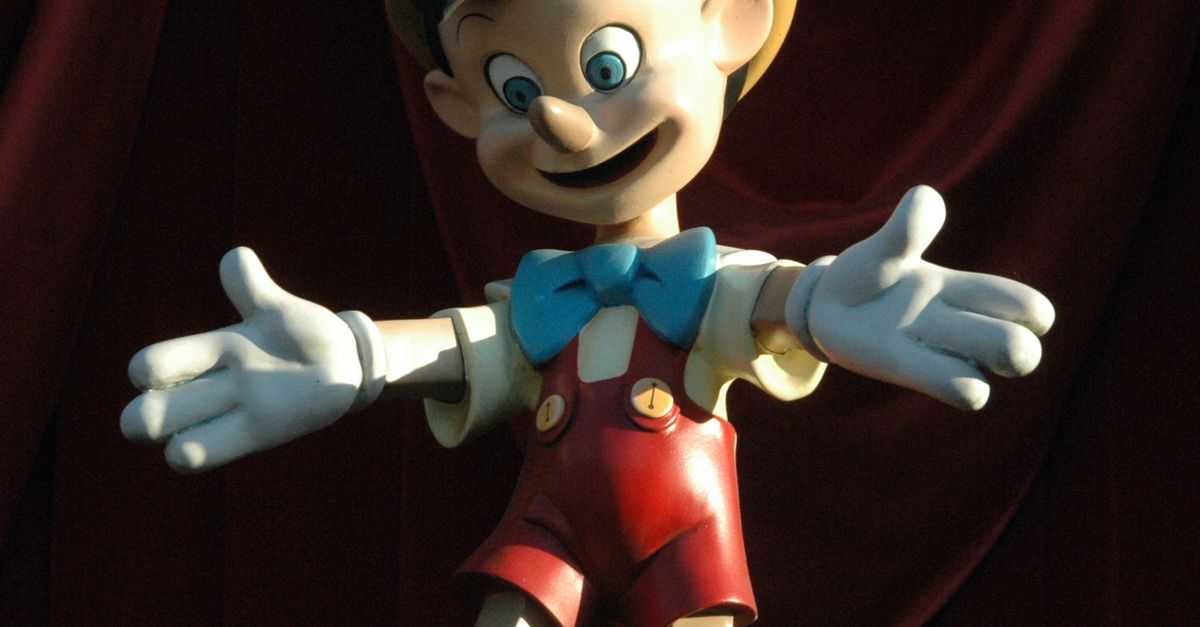
Dedicated to ventriloquism, Vent Haven Museum houses an extraordinary assortment of performance puppets alongside related items. Viewed collectively, these figures demonstrate that ventriloquism extends far beyond a simple mouth-movement illusion. Success relies heavily on character craftsmanship, precise pacing, vocal mastery, and the spectator’s inherent readiness to accept that an inanimate object possesses its own unique spirit.
The museum also preserves a history of performers and popular entertainment that larger cultural institutions might overlook. Visitors should check current tour arrangements before traveling, as access can differ from that of a conventional walk-in museum.
4. National Museum of Funeral History — Houston, United States
Funerals are universal, but the ways people organize them vary across eras and communities. This museum examines that history through vehicles, ceremonial practices, and displays about the funeral profession.
Its subject may sound somber, yet the exhibits offer an unexpectedly practical view of social change. Funeral customs reflect available technology, religious beliefs, public expectations, and ideas about honoring the dead. The museum is especially thought-provoking for visitors interested in how societies give structure to grief.
5. Museum of Miniature Books — Baku, Azerbaijan
This museum celebrates books made on a scale that makes reading itself a challenge. Its collection includes tiny volumes from different places and periods, demonstrating that a book can be a work of engineering and visual craft as well as a container for words.
The surprise is not simply how small the books are. Visitors can also see how much of a familiar object must be redesigned when its dimensions shrink: printing, binding, illustration, and handling all become more demanding. It is a rewarding stop for anyone who has never thought of a book as a physical invention.
6. Disgusting Food Museum — Malmo, Sweden
What counts as disgusting varies across the globe. By showcasing culinary traditions from diverse backgrounds, this museum challenges visitors to ponder why specific aromas, components, or cooking techniques trigger such a strong aversion.
The most useful way to approach it is with curiosity rather than judgment. A food unfamiliar to one visitor may be a cherished tradition to another. By putting those reactions under scrutiny, the museum becomes an exploration of learned tastes, cultural habits, and the limits of personal experience. Check current visitor information if tasting is an important part of your plans.
7. Museum of Innocence — Istanbul, Turkey
This museum transforms an imaginary realm into a tangible environment. Linked to a book sharing its title, it employs meticulously curated ordinary items to construct a vivid picture of remembrance, desire, and existence in Istanbul. Guests do not need to have explored the novel to grasp the emotional weight of its exhibits.
The museum’s achievement lies in turning an everyday item into proof of a whole lifetime. Furthermore, this sparks a familiar inquiry for anyone who has ever held onto a keepsake: does a physical piece truly safeguard a recollection, or does it merely assist us in reshaping that memory every single time we gaze upon it?
8. Icelandic Phallological Museum — Reykjavik, Iceland
While the anatomical focus of this museum might initially seem unusual, its exhibits also encourage a scientific examination of diversity among animal species. Through various specimens and displays, a biological topic typically kept private is presented in an educational context.
Not every visitor will find it suitable, and families ought to determine if the themes align with their standards. For individuals at ease with the material, the institution demonstrates the profound impact a location has on our perception of an artifact: matters that might feel awkward during casual dialogue turn into fascinating topics for careful examination and research.
9. Museum of Witchcraft and Magic — Boscastle, England
This museum explores beliefs and practices associated with witchcraft and magic through objects, documents, and historical interpretation. Its appeal lies less in proving supernatural claims than in showing what those beliefs have meant to people.
Amulets and various artifacts can uncover anxieties surrounding disease, safeguarding, adversity, and mastery over unpredictable circumstances. Furthermore, these exhibits provide insight into past societal attitudes toward individuals linked to witchcraft. Consequently, this destination represents a compelling option for travelers captivated by folklore and its underlying social history.
10. Sulabh International Museum of Toilets — New Delhi, India
An exhibition centered on restrooms might spark a grin, yet hygiene remains a matter of profound importance. This assembly maps out the evolution of lavatories alongside related customs, linking everyday appliances to sanitary engineering, community well-being, and broader societal circumstances.
Its core takeaway is easily overlooked during our daily routines: secure sanitation relies equally on infrastructure and hardware. While a lavatory’s architecture is significant, upkeep, availability, and refuse management matter just as much. Guests depart with a deeper comprehension of how a standard restroom installation can signify a substantial leap forward for human welfare.
What These Museums Reveal
These assemblies catch us off guard by granting continuous focus to themes that seldom get it. A number of them safeguard neglected trades; different ones contest notions surrounding taste, authenticity, closeness, or respect. Collectively, they imply that a gallery’s worth is defined not by the grandeur of its theme, but by the extent to which it sharpens our perception. Prior to embarking on a dedicated journey, verify the present operating schedules, reservation conditions, and display specifics for every museum.