

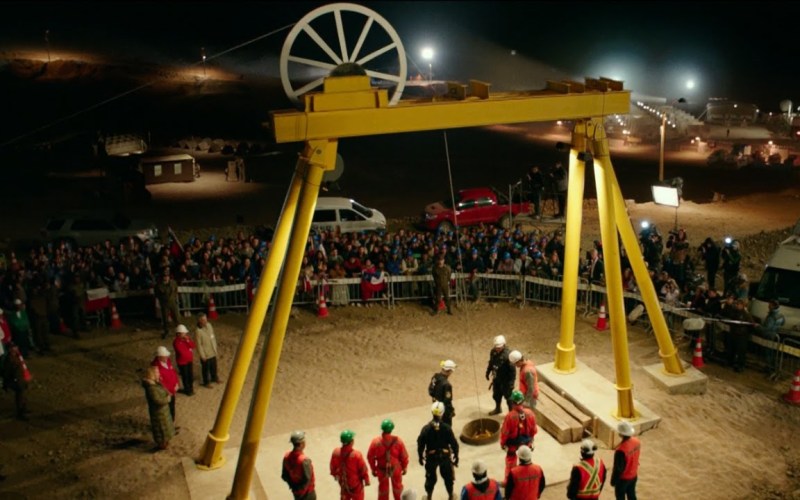
Eighteen gold miners who were trapped underground in a mine located in north-western Colombia have been safely brought to the surface following a complex rescue effort that lasted nearly an entire day. The incident occurred in the El Minón mine, situated in the Antioquia region, and was reportedly triggered by a mechanical failure that compromised critical safety infrastructure.
The miners became trapped on Thursday when a structural component—designed to protect against landslides—failed, blocking the main exit and leaving the workers stranded underground. According to local sources, the operation to free them lasted around 12 hours and concluded successfully early Friday morning, shortly after 3:00 a.m. local time.
The National Mining Agency of Colombia (ANM) announced in an official statement that the rescue operation was successful, highlighting that all 18 miners were located in good condition. Emergency teams present at the site labored throughout the night, utilizing hoses to supply oxygen to those entrapped as they waited for rescue.
Video footage distributed by regional news outlets documented the heartfelt occasion as the workers emerged, welcomed by cheers and a sense of relief from teammates and emergency crews. The visuals emphasized the miners’ toughness and the synchronized effort by rescue teams who braved dangerous situations to get to them.
While the rescue effort was ultimately a success, the incident has raised concerns about mining practices in the region. A letter submitted to national authorities by the mayor of Remedios, a municipality near the site of the incident, suggested that the El Minón mine might not be properly licensed. This has prompted renewed scrutiny over informal or unregulated mining operations in Colombia, which are often associated with higher safety risks.
Yarley Erasmo Marin, a representative from a regional miners’ group, clarified that the primary issue of the incident stemmed from a malfunction in the equipment meant to restrain debris and earth. This malfunction caused a collapse, blocking the main entrance to the surface. While no lives were lost, Marin emphasized the importance of enhancing safety regulations to avert future occurrences.
In its official communication, the ANM urged communities involved in mining to avoid engaging in unauthorized extraction activities. “Illegal mining jeopardizes the lives and wellbeing of workers, depletes national resources, and causes lasting damage to the environment,” the agency warned.
Colombia, abundant in natural assets like gold and coal, has a significant mining history. Nevertheless, the industry often faces criticism due to labor issues, ecological harm, and safety neglect, especially in activities that escape official oversight. Sadly, mining mishaps are not uncommon, and the nation has experienced several fatal events in recent years.
Based on data collected by Colombian officials, numerous miners die each year from collapses, machinery failures, and exposure to poisonous gases. A significant number of these incidents happen in isolated regions where implementing safety rules is challenging, and where informal mining activities thrive due to limited economic options.
Antioquia, one of Colombia’s most productive mining regions, has been at the center of debates regarding the future of mining in the country. While it contributes significantly to the national economy, the region has also seen its share of tragedies linked to insufficient oversight or improper mining practices.
The latest event has sparked discussions regarding the necessity of shifting to secure and more eco-friendly mining practices. Labor unions, environmental advocates, and community organizations are demanding thorough changes that guarantee the safety of workers as well as the conservation of ecosystems and local populations.
In the aftermath of the El Minón rescue, national and regional authorities are expected to launch an investigation to determine whether the mine was operating without proper permits and whether existing safety protocols were followed or neglected.
Meanwhile, those rescued have reportedly undergone medical evaluations and are recovering under observation. Their families, along with the larger mining community, have expressed gratitude for the swift action of the rescue teams and hope that this incident will lead to lasting changes in how mining operations are conducted in Colombia.
As the nation evaluates what might have resulted in a significantly more disastrous scenario, there is an increased need to tackle the dangers linked with unregulated mining and to allocate resources towards enhancing security protocols throughout the sector. The El Minón episode, while ending without fatalities, underscores the delicate equilibrium between economic growth and the protection of individuals in areas abundant in resources.


