

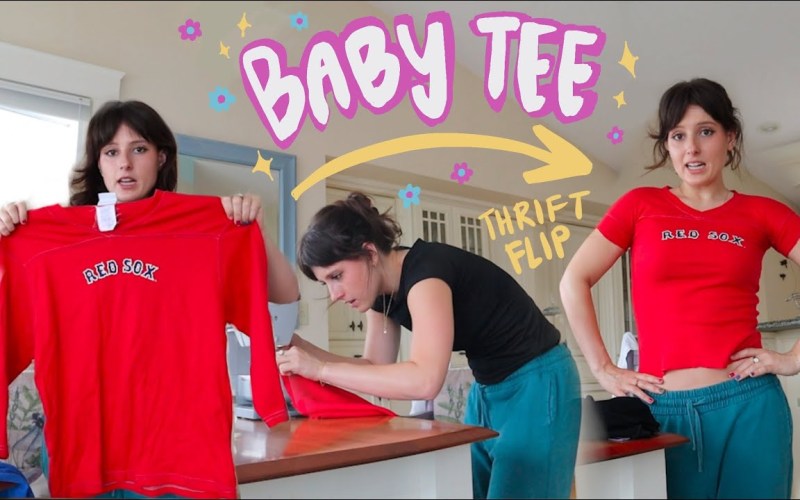
The cropped tee, while appearing to be a modest garment, has recently reemerged as a topic of discussion, igniting a spirited debate surrounding fashion, age, and individual expression. This item, known for its shortened hem and snug fit, transcends being merely a top; it represents a cultural symbol tied to a distinct period and questions modern concepts of fashion. The discourse around whether an adult woman should don a cropped tee is familiar territory, yet its current revival has intensified the dialogue, encouraging a reconsideration of style standards and the understated expectations women encounter with aging.
The history of the baby tee is deeply intertwined with the youth culture of the late 1990s and early 2000s. It was the quintessential top for the pop star and the everyday teenager alike, often adorned with playful graphics, slogans, or whimsical images. It was typically paired with low-slung denim or cargo pants, creating a look that was both casual and edgy. The style was a rebellion against the more structured, formal fashion of previous decades, embracing a carefree and uninhibited aesthetic. For many women today, the baby tee is a nostalgic symbol of their adolescence, a tangible link to a time of vibrant music and distinct fashion.
The current revival of the baby tee is driven by a broader trend of Y2K fashion nostalgia, where styles from the late 90s and early 2000s are making a comeback. However, this time around, the baby tee is being reinterpreted and styled in new ways. It is no longer just a piece of teenage apparel but is being embraced by a more diverse group of women, including those in their thirties, forties, and beyond. This has ignited a debate between those who see fashion as a form of ageless self-expression and those who believe certain styles are better suited for a particular life stage.
Those who advocate for the baby tee’s place in a mature woman’s wardrobe argue that clothing should be a matter of personal choice, not age. They believe that style is a reflection of one’s personality and mood, and imposing age-based rules on fashion is an outdated and restrictive practice. For them, the baby tee is a versatile garment that can be dressed up or down, layered under a blazer, or paired with high-waisted trousers for a more modern silhouette. This perspective champions the idea that a woman should feel confident and comfortable in her own skin, and if a baby tee helps her achieve that, then it is the perfect choice, regardless of her age.
On the other hand, a more traditional viewpoint suggests that fashion should evolve with a woman as she matures. This school of thought posits that while trends may come and go, a woman’s style should transition to a more sophisticated and polished aesthetic over time. They believe that a baby tee, with its tight fit and cropped cut, is inherently youthful and can sometimes look out of place on a woman who is no longer a teenager. This perspective, while sometimes criticized for being judgmental, is often rooted in a desire for women to be seen as powerful and elegant, and they feel that certain styles can undermine that image.
The baby tee debate also brings into focus the complex issues surrounding body image and societal expectations. The garment’s snug fit can be a source of both empowerment and anxiety. For some women, wearing a baby tee is an act of defiance against unrealistic beauty standards, a way to celebrate their bodies and feel confident. They see it as a form of reclaiming their narrative and dressing for themselves, not for others. For other women, the pressure to wear a form-fitting and revealing item like the baby tee can be overwhelming, leading to feelings of self-consciousness and a sense of being judged. The resurgence of the baby tee, therefore, has become a symbol of a woman’s complicated relationship with her body and the scrutiny it faces in the public eye.
The issue regarding whether an adult woman ought to don a baby tee centers less on the piece of clothing itself and more on the prevailing cultural discussion concerning women, aging, and autonomy. This debate mirrors an increasing wish to liberate from strict fashion norms and adopt a more inclusive and unique style perspective.
Although reaching an agreement might be elusive, the mere fact that this dialogue exists highlights the influence of clothing as a means of expression and as a trigger for wider social debates. Ultimately, the choice to don a baby tee or any other garment is up to the individual, and in an era where uniqueness is more appreciated than ever, that might be the most crucial aspect of the discussion.


