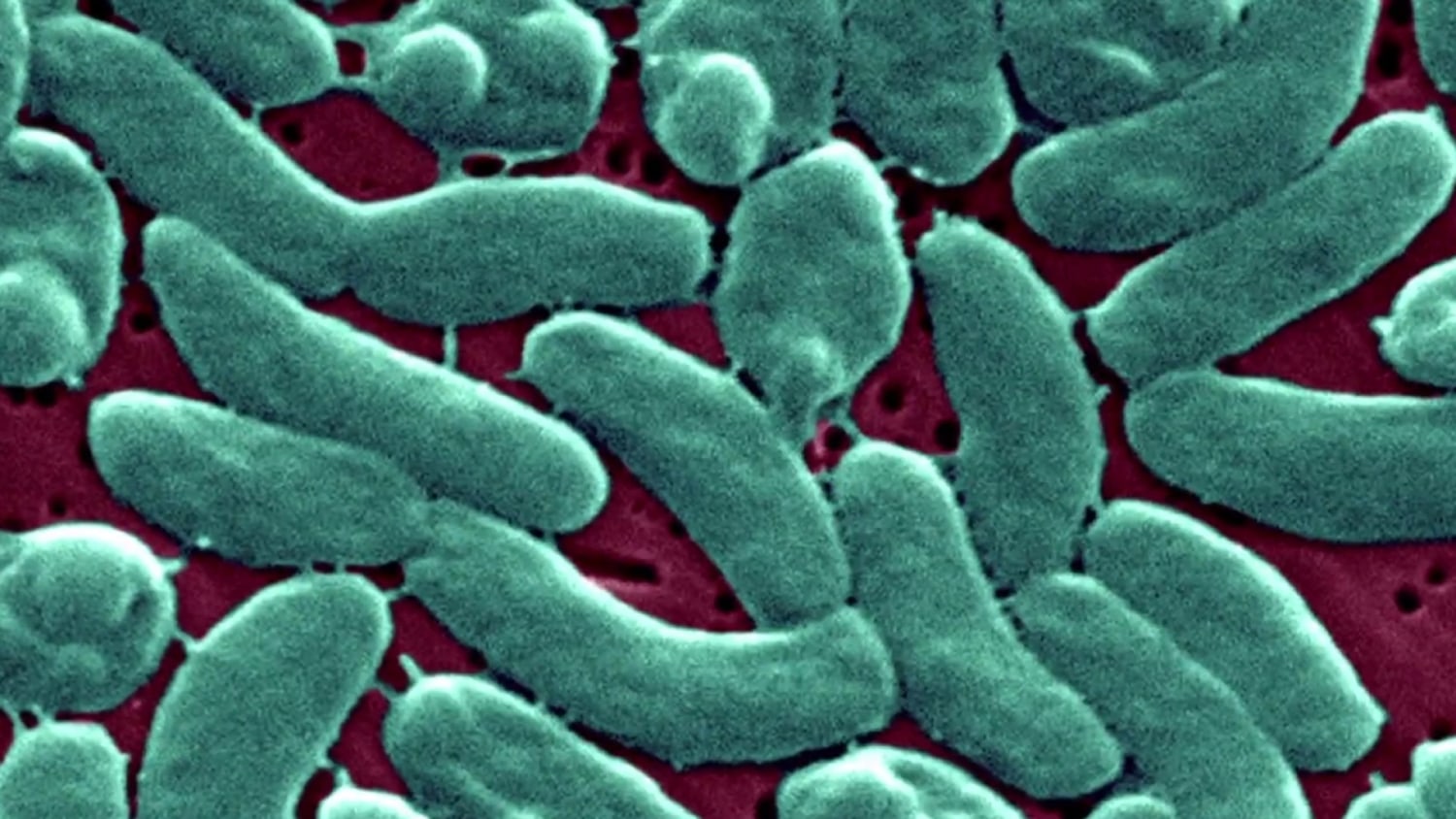
Coastal regions across the American Southeast are experiencing an unusual surge in dangerous bacterial infections that have already claimed multiple lives this year. Public health officials report Vibrio vulnificus, a potentially deadly bacteria found in warm seawater, has caused at least ten confirmed fatalities across Florida, Louisiana, and North Carolina’s Outer Banks region since January.
Florida’s Department of Health has documented sixteen cases statewide, with deaths occurring in multiple coastal counties from the Panhandle to the Atlantic coast. Louisiana has recorded seventeen infections – significantly exceeding previous annual averages – while North Carolina confirms seven cases and Mississippi reports three. The bacteria enters the body through open wounds or contaminated seafood, sometimes causing necrotizing fasciitis, a rapid tissue destruction commonly called flesh-eating disease.
University of Florida researcher Antarpreet Jutla notes the unusually early summer spike in cases appears abnormal compared to historical patterns. While Vibrio infections typically increase following hurricanes, this year’s cases emerged before the peak storm season. Jutla’s team is investigating unusually high concentrations of vibrio indicators like plankton along Florida’s Panhandle, suggesting environmental factors may be contributing to the outbreak.
The Centers for Disease Control and Prevention suggests that Vibrio vulnificus is deadly in about 20% of its cases. Typically, infections happen when the bacteria breach the body through cuts or wounds that contact warm saltwater, while eating raw oysters is an alternative common method of transmission. Once it takes hold, the infection can progress rapidly, damaging nearby tissue and possibly reaching the bloodstream.
Vulnerable populations face particularly severe risks according to infectious disease specialist Dr. Norman Beatty of University of Florida Health. Individuals with liver disease, compromised immune systems, or chronic conditions like diabetes demonstrate significantly higher susceptibility. Older adults also encounter greater dangers due to age-related immune decline.
Initial signs require urgent medical evaluation – redness, swelling, and characteristic bullseye-shaped blisters surrounding injuries suggest a potential infection. As the illness advances, individuals might experience fever, chills, and critically low blood pressure, which points to a life-threatening septic condition. Immediate antibiotic therapy greatly enhances recovery, making swift diagnosis essential.
Scientists studying climate change have noted that the increase in ocean temperatures is causing Vibrio bacteria to spread northward along both coastlines. In recent years, cases have emerged in usually cooler areas such as New York, Connecticut, and Maryland. Experts suggest that the warmer waters provide perfect conditions for bacterial growth, which could potentially account for the recent outbreak in the southeast.
Prevention remains the most effective defense against these dangerous infections. Health experts recommend:
- Cubre completamente todas las heridas antes de entrar al océano
- Evita actividades en agua salada con cortes o raspones recientes
- Cocina bien los mariscos y manipúlalos con seguridad
- Busca atención médica inmediata ante cualquier síntoma sospechoso
While Vibrio vulnificus represents just one of over 200 vibrio species, its potential severity warrants special caution. Most other variants cause only mild gastrointestinal illness, though Vibrio parahaemolyticus and Vibrio alginolyticus can produce unpleasant food poisoning symptoms.
Public health agencies continue monitoring coastal water conditions as hurricane season approaches, since storm surges and flooding often increase infection risks. Residents and visitors to affected areas should remain vigilant about water safety and wound protection during the warmest months when bacterial concentrations peak.
The current outbreak serves as a sobering reminder of nature’s hidden dangers, particularly for those with existing health vulnerabilities. As climate patterns evolve, understanding and preventing these infections will likely require ongoing cooperation between medical professionals, researchers, and coastal communities. For now, awareness and prompt treatment remain the best protections against this potentially deadly marine threat.